
Essential Dryer Vent Maintenance Tips for Safety
Updated: Jul 8
Dryer vents are often overlooked when it comes to home maintenance, yet they play a crucial role in ensuring the safety and efficiency of your laundry appliances. A clogged or poorly maintained dryer vent can lead to serious hazards, including house fires and carbon monoxide poisoning. In fact, the U.S. Fire Administration reports that failure to clean dryer vents is one of the leading causes of dryer fires. This blog post will guide you through essential dryer vent maintenance tips to keep your home safe and your dryer running efficiently.

Understanding the Importance of Dryer Vent Maintenance
Why Dryer Vent Maintenance Matters
Dryer vents are responsible for expelling hot air and moisture from your dryer. When these vents become clogged with lint, debris, or other obstructions, they can cause your dryer to work harder, leading to increased energy consumption and wear on the appliance. More importantly, a blocked vent can create a fire hazard. According to the National Fire Protection Association (NFPA), there are approximately 15,500 dryer-related fires each year, resulting in injuries and property damage.
Signs of a Clogged Dryer Vent
Recognizing the signs of a clogged dryer vent is essential for timely maintenance. Here are some indicators that your dryer vent may need attention:
Longer Drying Times: If your clothes take longer than usual to dry, it may be a sign that the vent is blocked.
Hot Dryer: If the exterior of your dryer feels unusually hot, it could indicate that hot air is not being properly expelled.
Burning Smell: A burning smell while the dryer is running is a serious warning sign that should not be ignored.
Excess Lint: If you notice lint accumulating around the dryer or in the lint trap, it may indicate a blockage in the vent.
Regular Cleaning and Maintenance
How Often Should You Clean Your Dryer Vent?
To maintain a safe and efficient dryer vent, it is recommended to clean it at least once a year. However, if you use your dryer frequently or have a large household, you may need to clean it more often. Regular maintenance can help prevent clogs and reduce the risk of fire.
Steps for Cleaning Your Dryer Vent
Unplug the Dryer: Safety first! Always unplug your dryer before performing any maintenance.
Disconnect the Vent: Carefully disconnect the vent from the back of the dryer. Be cautious not to damage the duct.
Use a Vacuum: Use a vacuum with a long hose attachment to remove lint and debris from the vent. Make sure to reach as far into the duct as possible.
Brush the Vent: A dryer vent cleaning brush can be very effective in dislodging stubborn lint. Insert the brush into the vent and rotate it to capture lint.
Reattach the Vent: Once cleaned, reattach the vent securely to the dryer and plug it back in.
Professional Cleaning Services
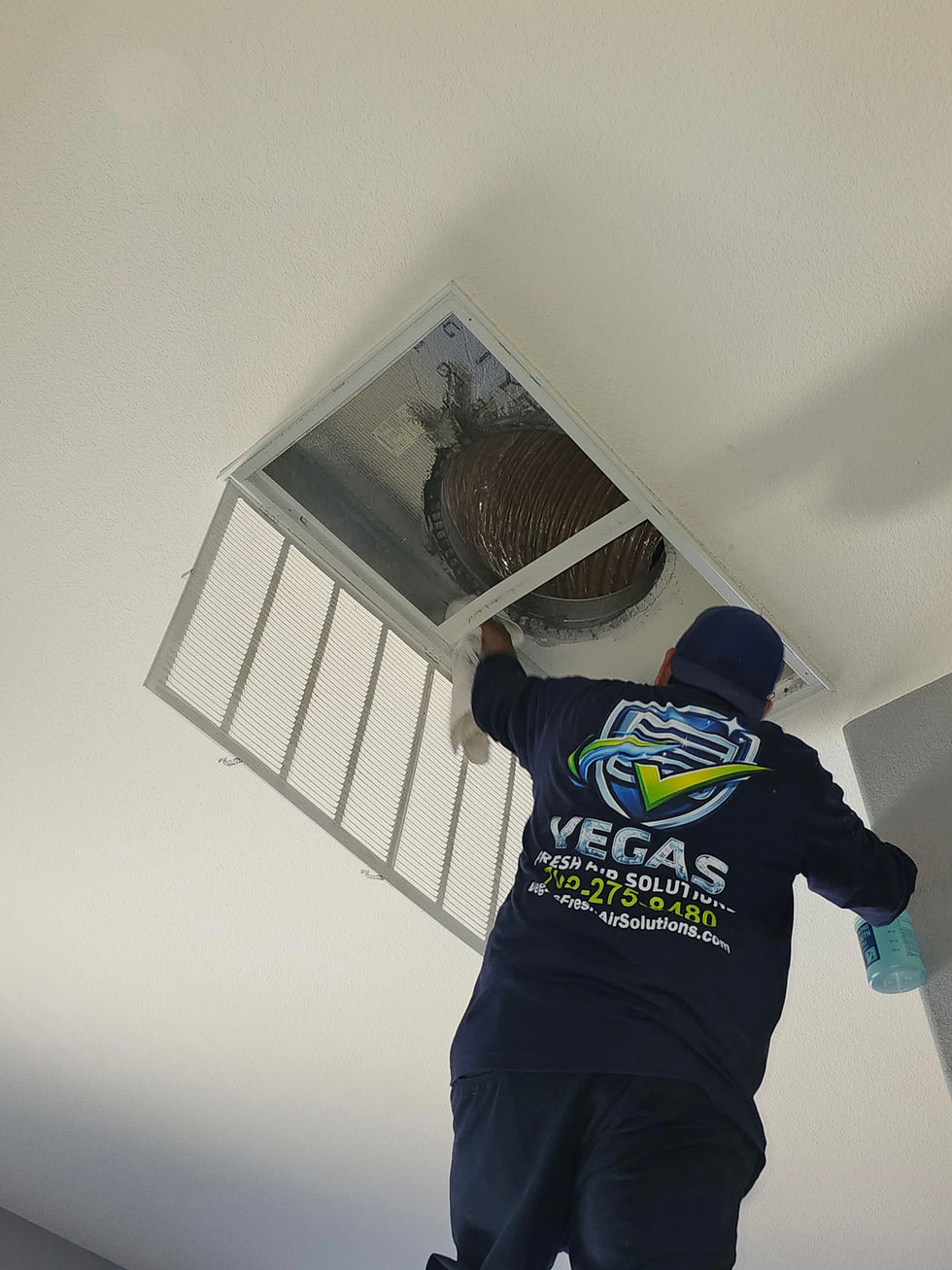
If you are uncomfortable cleaning the vent yourself or if it has been a long time since your last cleaning, consider hiring a professional service. They have specialized tools and expertise to ensure your dryer vent is thoroughly cleaned and safe.
Inspecting Your Dryer Vent System
Regular Inspections
In addition to cleaning, regular inspections of your dryer vent system are essential. Check for any visible signs of damage, such as:
Dents or Kinks: These can restrict airflow and lead to clogs.
Loose Connections: Ensure all connections are secure to prevent leaks.
Damaged Ducts: Look for any holes or cracks that may need repair.
Vent Material Matters
The material of your dryer vent can also impact its safety and efficiency. Here are some common materials and their pros and cons:
Rigid Metal Ducts: These are the safest and most efficient option. They resist lint buildup and are less likely to be crushed.
Flexible Metal Ducts: While easier to install, they can accumulate lint more easily and may be prone to kinks.
Plastic or Vinyl Ducts: These are not recommended as they can easily catch fire and are less durable.
Proper Vent Installation
Choosing the Right Location
The location of your dryer vent is critical for safety and efficiency. Ideally, the vent should lead directly outside with minimal bends or turns. The longer the duct, the more chances there are for lint buildup.
Vent Cap Installation
Ensure that your vent cap is installed correctly. It should have a flap that opens when the dryer is running and closes when it is off. This prevents pests and debris from entering the vent.
Additional Safety Tips
Avoid Overloading the Dryer
Overloading your dryer can lead to inefficient drying and increased lint buildup. Follow the manufacturer's guidelines for load sizes to ensure optimal performance.
Use the Right Settings
Using the appropriate drying settings can also help reduce lint accumulation. For example, using a lower heat setting for delicate fabrics can minimize lint production.
Keep the Area Around the Dryer Clear
Ensure that the area around your dryer is free from clutter. This not only helps with airflow but also reduces fire hazards.
Conclusion
Maintaining your dryer vent is essential for both safety and efficiency. By following these essential maintenance tips, you can significantly reduce the risk of fire hazards and ensure your dryer operates effectively. Regular cleaning, inspections, and proper installation are key components of a safe dryer vent system.
Take action today: inspect your dryer vent, clean it if necessary, and consider scheduling a professional cleaning if it has been a while. Your home and family will thank you for it!

Comments